
Creating Cooperative Solutions to Reduce Bycatch
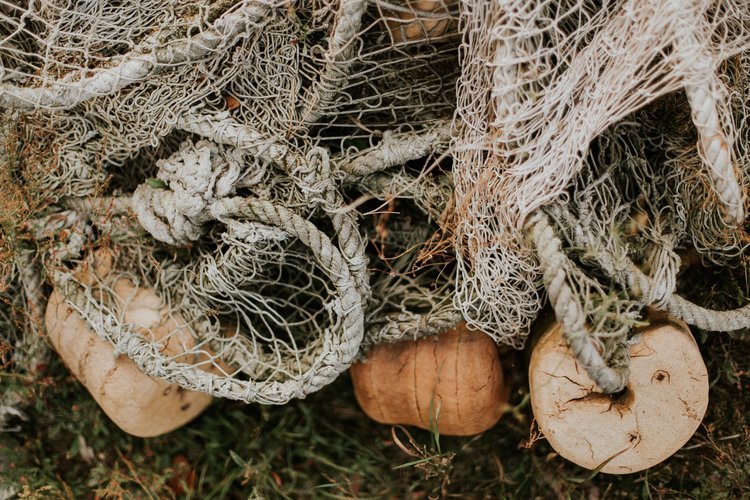
Recovering critically endangered populations of sea turtles, including East and West Pacific leatherbacks, requires eliminating mortality associated with fisheries interactions. Fortunately, most fishers are interested in avoiding interactions with leatherbacks (which can require extra effort and damage gear).
Upwell works collaboratively with fishers and resource managers to reduce sea turtle bycatch by highlight areas with high risk of fisheries interactions. Our habitat-based predictive models like South Pacific Turtle Watch are informed by fisheries observer datasets (contributed by governments, non-profit organizations and regional fisheries management organizations) and movement data from turtles outfitted with satellite tags.
Check out some more stories about Upwell’s work creating cooperative solutions to reduce bycatch:

Interview with Stephanie J. Rousso about using Citizen Science in her research on spatial distribution of sea turtles within fishing zones in the Southern Gulf of California.

When fishermen and researchers collaborate, they create opportunities to amplify efforts for the research and conservation of sea turtles. This past spring, Upwell participated in these efforts by providing a satellite tag for Liam Neythan, a leatherback sea turtle that was saved in Sinaloa, Mexico. Our collaborators, the fishers Edmundo Rafael Garcías Burgos and Mariano García Olivas, as well as Dr. Alan Zavala Norzagaray and the CIIDIR IPN Unidad Sinaloa are the key collaborators and heroes in this story.

Cuando pescadores e investigadores colaboran se crean oportunidades para unir y amplificar esfuerzos orientados a la investigación y conservación de las tortugas marinas. Durante la primavera pasada, Upwell participó en estos esfuerzos proporcionando una etiqueta satelital para Liam Neythan, una tortuga laúd que fue salvada en Sinaloa, México. Nuestros colaboradores, los pescadores Edmundo Rafael Garcías Burgos y Mariano García Olivas, así como el Dr. Alan Zavala Norzagaray y el CIIDIR IPN Unidad Sinaloa fueron los protagonistas de esta historia.
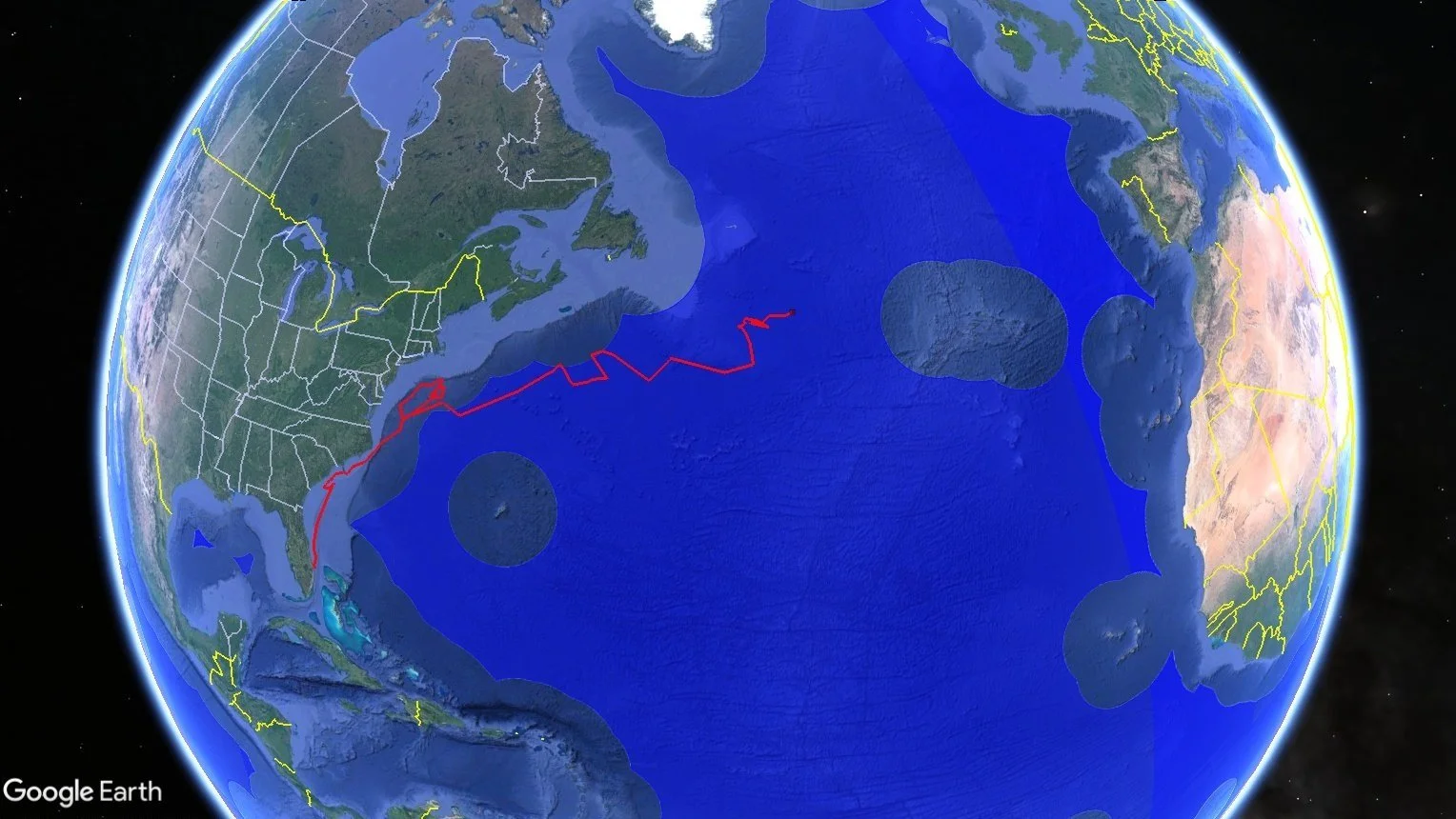
Most sea turtle species migrate and spend large amounts of their life history in areas of the ocean considered “high seas.” The high seas are the parts of the ocean that are not under the jurisdiction of any nation. In June of 2023, after almost two decades of negotiations, UN Member states adopted the Biodiversity in Areas Beyond National Jurisdiction treaty (also known as the High Seas Treaty) to provide a coherent and holistic framework for protecting the high seas. Earlier this month, Upwell Executive Director Dr. George Shillinger attended the High Seas Treaty symposium to learn more about how its implementation may impact sea turtle populations and to seek opportunities to further the protection of turtles at sea.
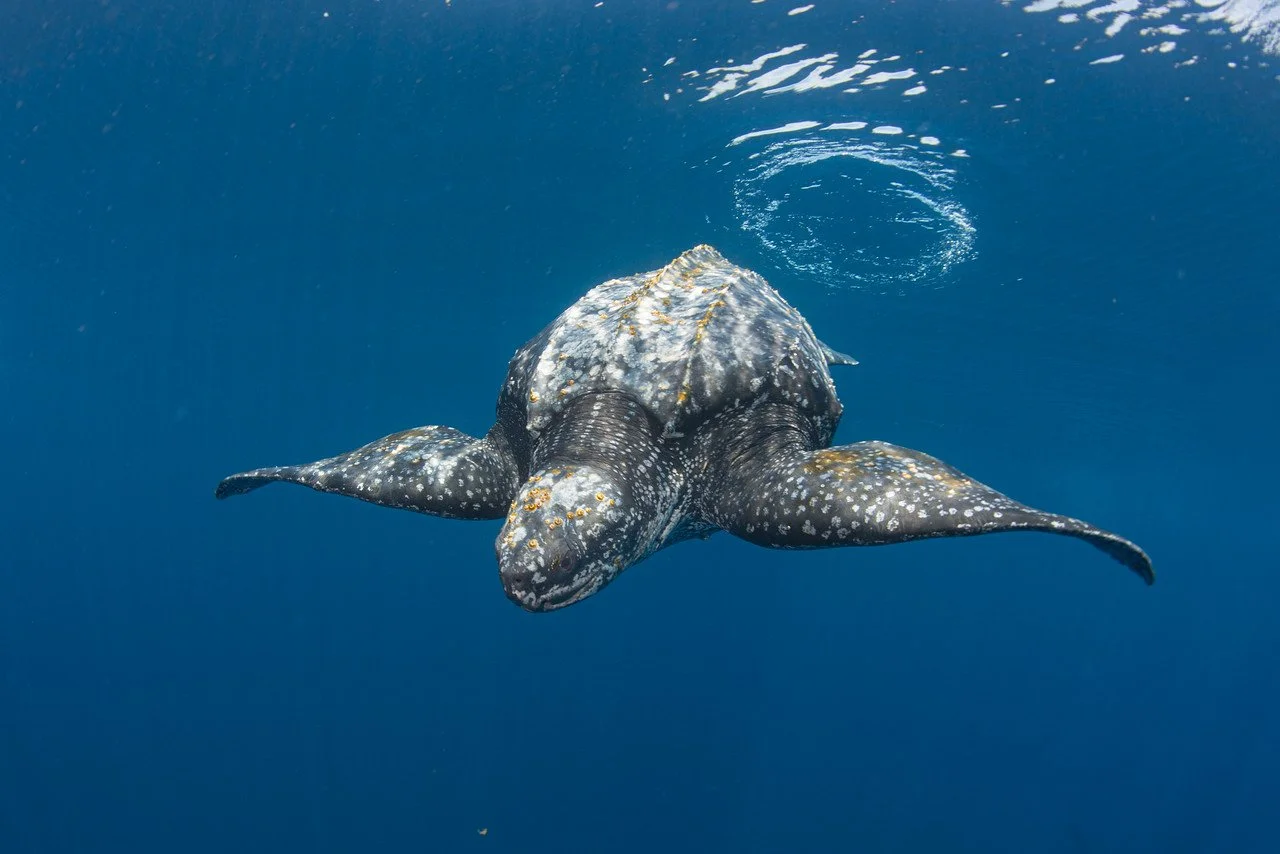
The new publication "Incorporating multidimensional behavior into a risk management tool for a critically endangered and migratory species," takes a look at how data on leatherback diving behavior can be used to improve the South Pacific TurtleWatch tool aimed at reducing bycatch.

What does a researcher studying animal behavior do when the animal they are studying takes off into the middle of the Pacific ocean? In this post, Upwell Researcher Dr. Nicole Barbour breaks down how machine learning can be used to help researchers interpret data from tagged leatherbacks to understand their behavior at sea. Featured image by Juergen Freund.

La Reforma sits amidst a large lagoon complex lined with mangrove trees, desert islands, and colonies of seabirds. This fishing village is one of the largest in Mexico and fishers are taking a proactive stance in protecting sea turtles from bycatch. The Upwell team recently traveled to La Reforma to meet with several experienced fishers that partner with Grupo Tortuguero, such as Captain Adalberto Garcia. The data being collected here by Adalberto’s crew is instrumental in the future of sea turtle conservation within Northwest Mexico.

The Bay of La Paz, Mexico is filled with scattered mangrove forests, rocky reefs, and rugged coastlines. Bycatch is a pressing issue in the region. Although regulations exist to limit unselective fishing gear like gillnets, enforcement can be weak. Sea Turtle Spotters help Upwell as citizen scientists, reporting both live and dead sea turtles to Upwell researchers to help us learn more about the threats they face at sea.
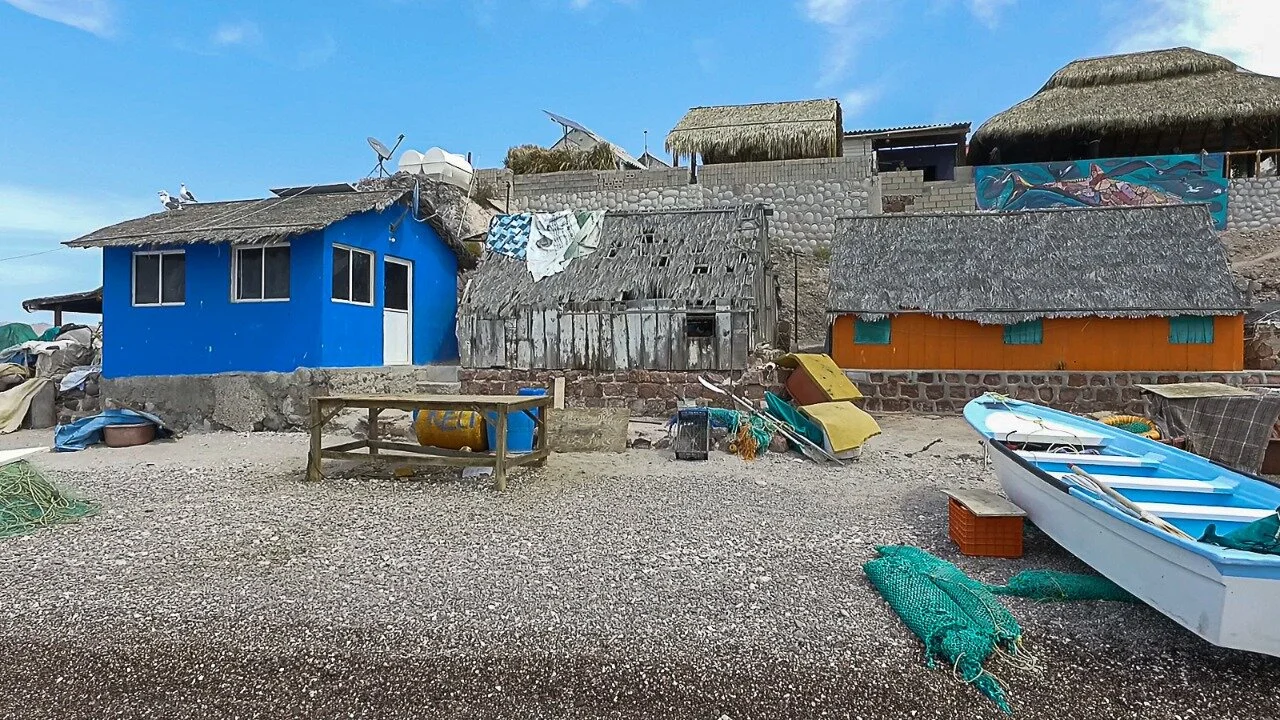
A new generation of artisanal fishers in the El Pardito fishing cooperative of Baja California Sur is working to replenish overfished stocks and reduce sea turtle bycatch. Upwell researcher Stephanie Rousso has seen first-hand the threats posed by artisanal fisheries to sea turtles, mostly by entanglement in gillnets. In collaboration with fishers from the El Pardito cooperative, Stephanie is designing a pilot program to measure and reduce sea turtle bycatch.
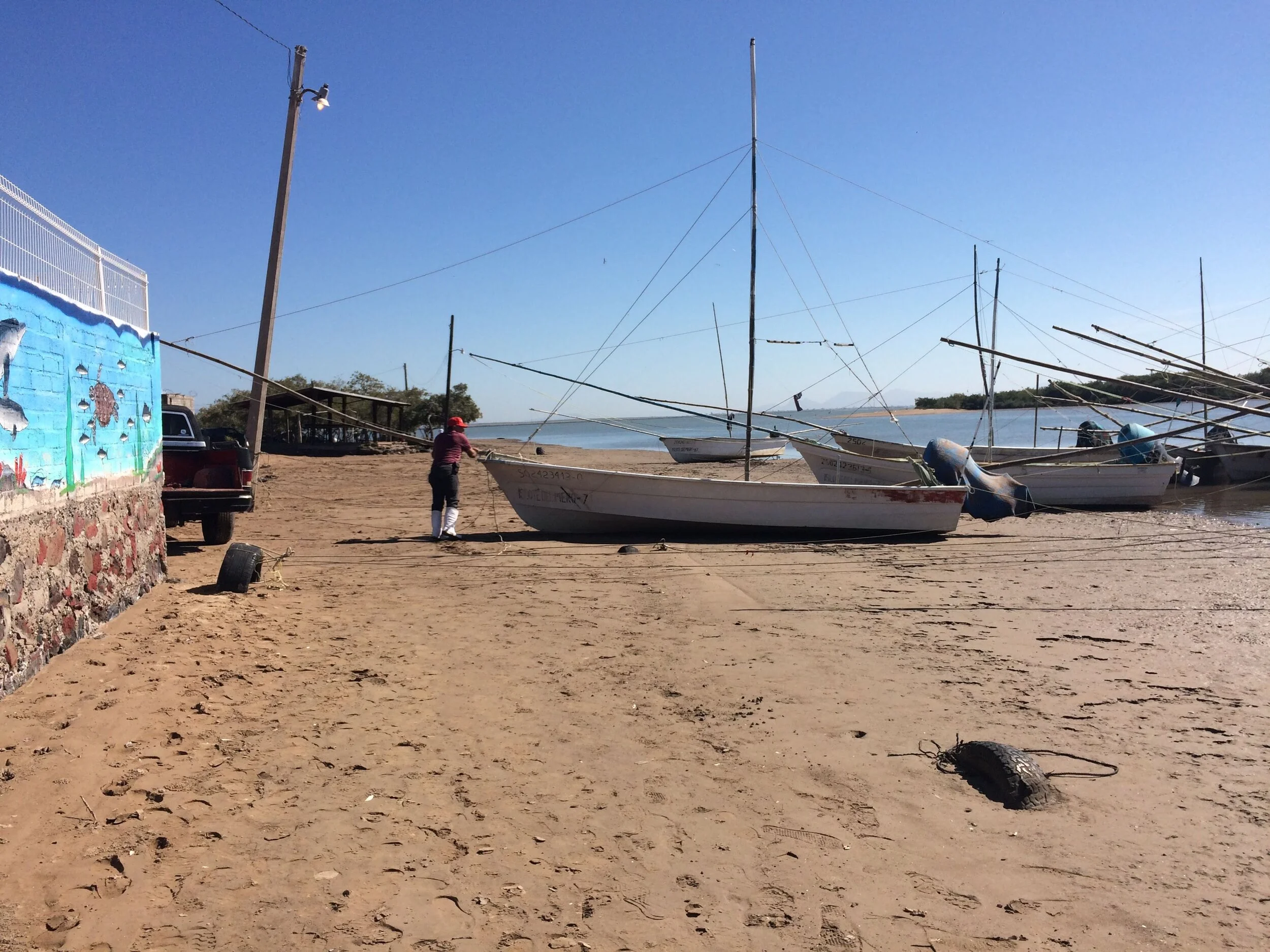
Sinaloa’s suripera fleet is collaborating with researchers to collect data on sea turtles and reduce bycatch in the shrimp fishery. Suripera fishers use the wind and tides to net blue shrimp in the Gulf of California.