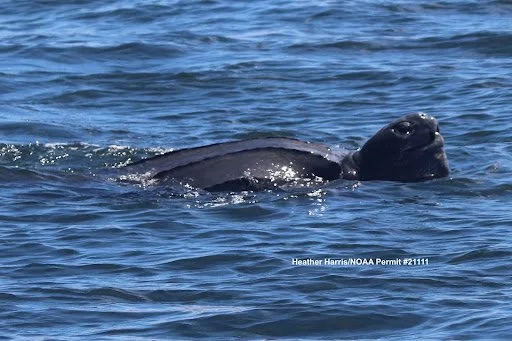
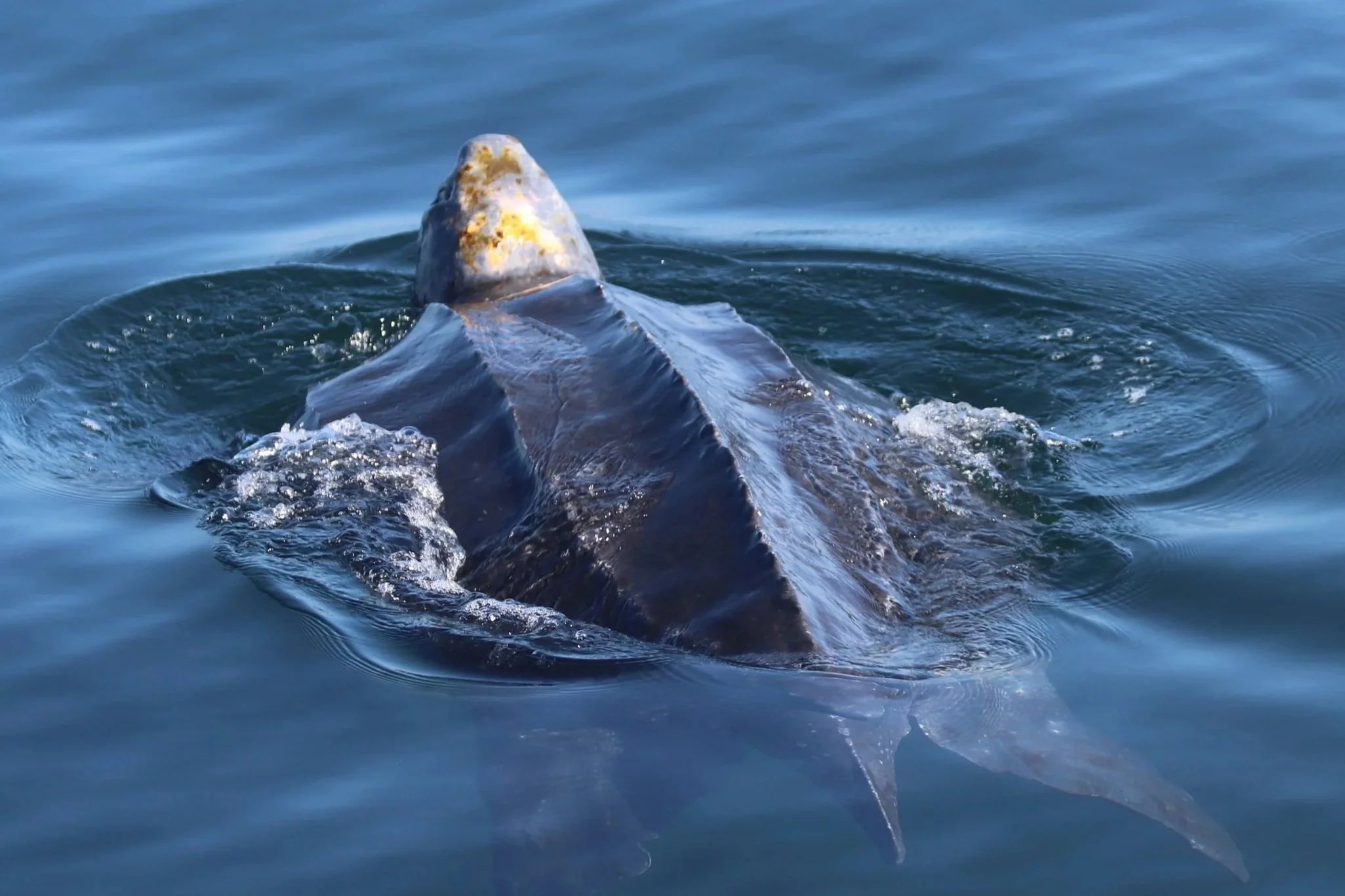
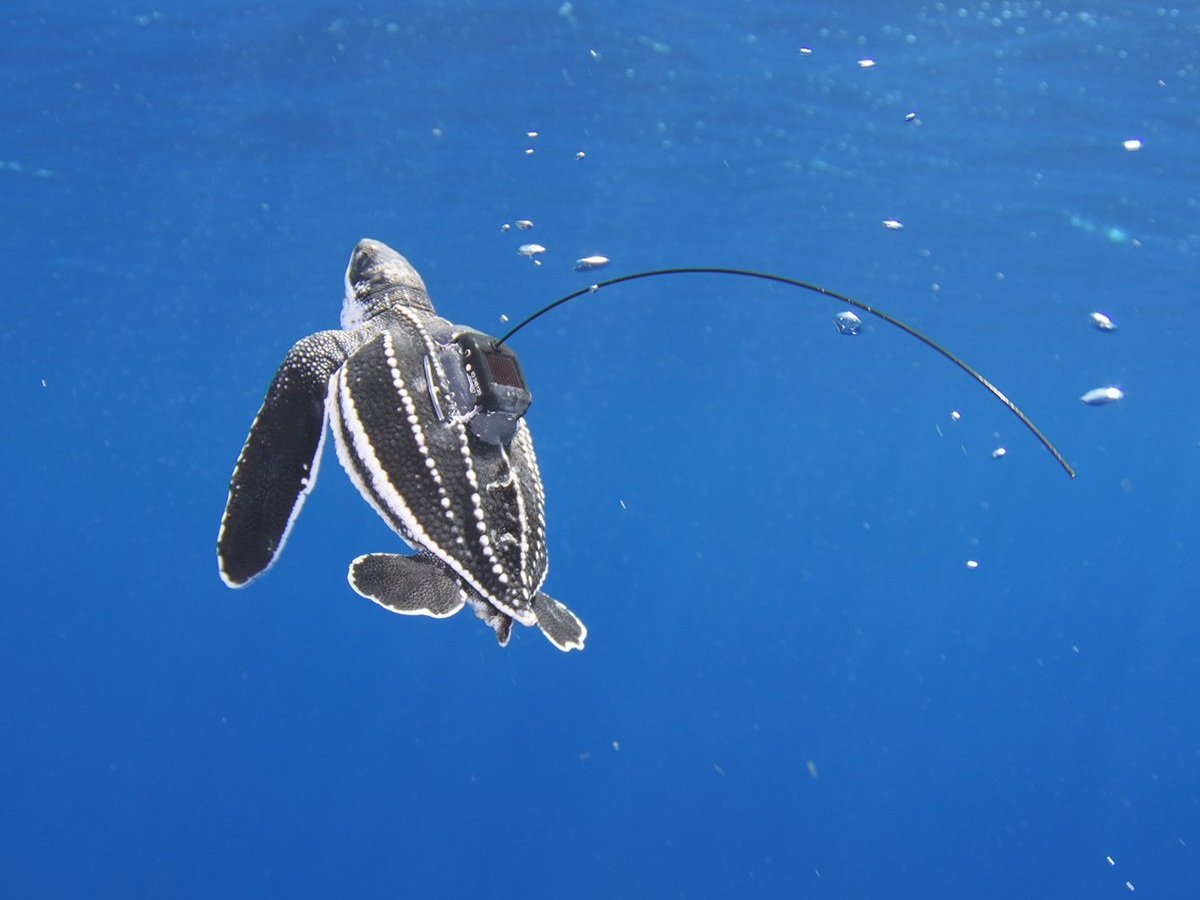
What does a researcher studying animal behavior do when the animal they are studying takes off into the middle of the Pacific ocean? In this post, Upwell Researcher Dr. Nicole Barbour breaks down how machine learning can be used to help researchers interpret data from tagged leatherbacks to understand their behavior at sea. Featured image by Juergen Freund.
Notes From The Field: Monitoring Florida’s Leatherbacks
At the beginning of June, Upwell Executive Director George Shillinger traveled to Juno and Jupiter beaches in Florida to catch the end of the leatherback nesting season monitoring conducted at Loggerhead Marinelife Center (LMC) and participate in ongoing collaborative research projects. Read more about those projects and meet some of the leatherbacks that were monitored this season!
Farewell and Good Luck, Ember!
Ember In The Atlantic Ocean
A Brief History of the Sheila B. Research Vessel
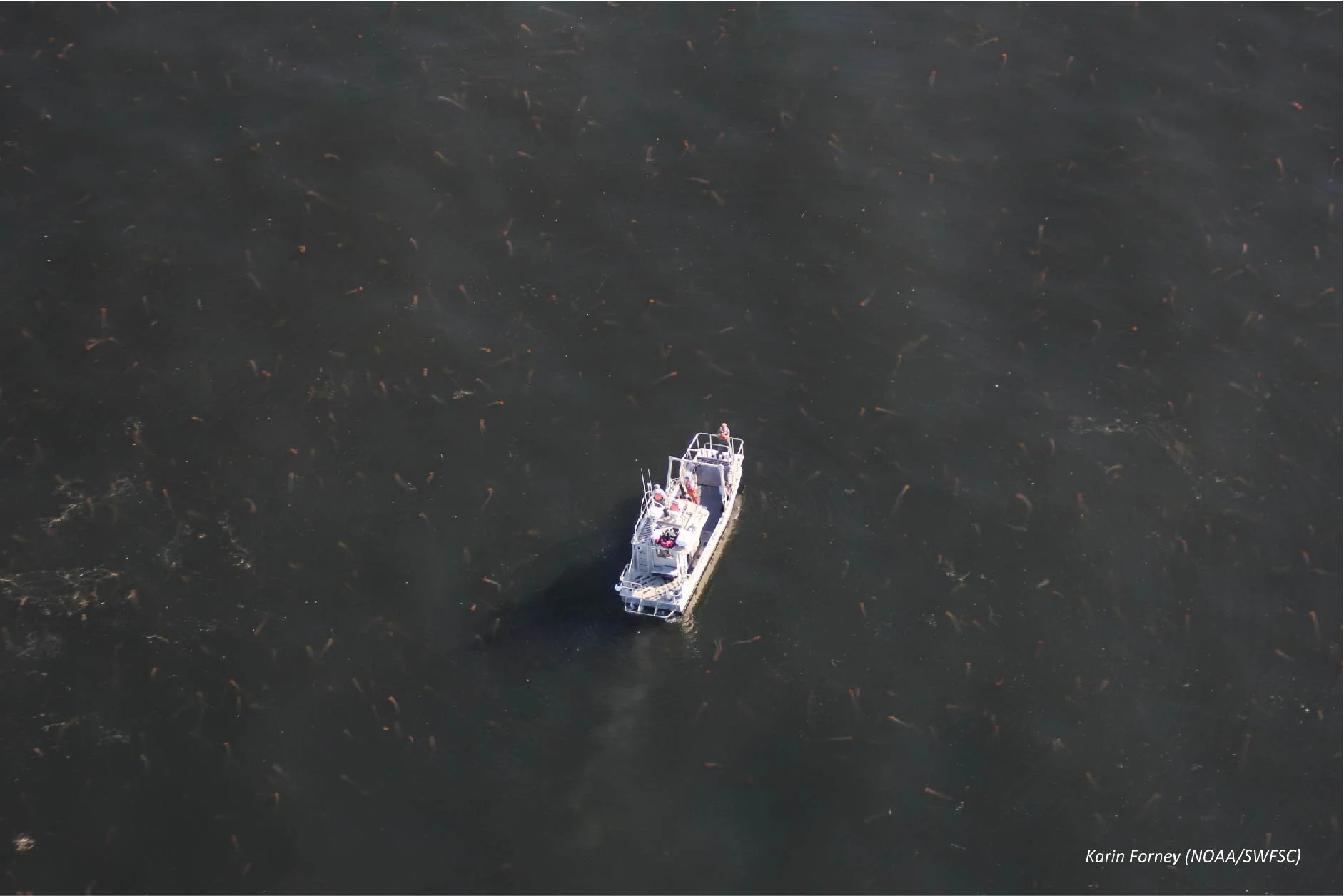
Since 2021, John Douglas has worked with Upwell as captain of the Sheila B. research vessel while monitoring for leatherback sea turtles in the Pacific Northwest. The Sheila B. is a boat that has been specially engineered for the research work that it carries out. In this blog, John gives us insight into its history and its evolution into the perfect vessel for leatherback sea turtle monitoring.
Ember the Juvenile Loggerhead Swims out into the Atlantic!
Ember the Rescued Baby Loggerhead’s Atlantic Adventures
More Nausea and Curiosity: A research assistant monitoring West Pacific leatherbacks in the California Current
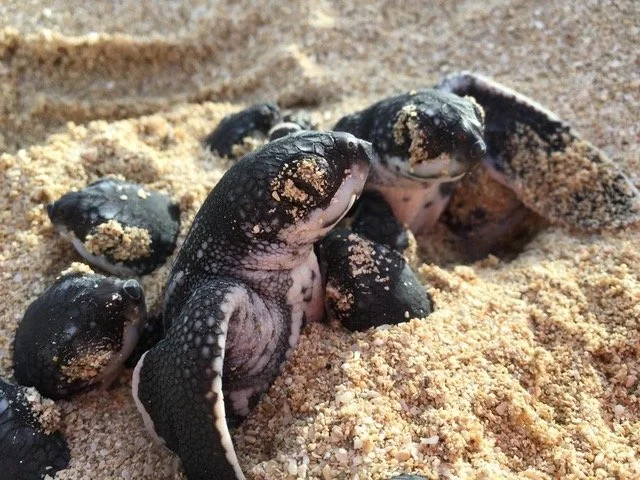
Leatherback hatchlings in a changing world
Rescued sea turtles help advance “lost years” research
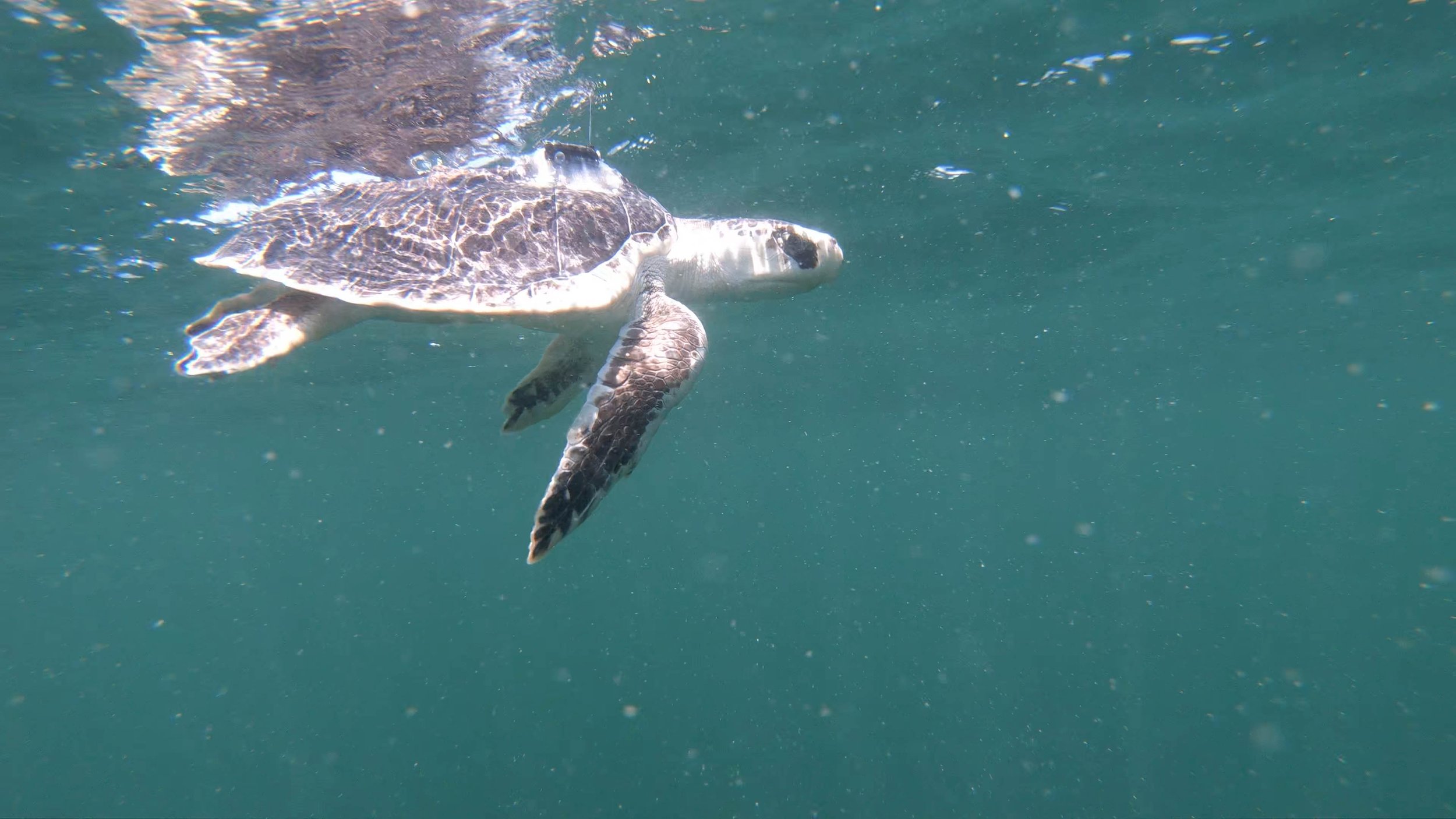
Upwell recently collaborated with Dr. Terry Norton and the Georgia Sea Turtle Center (GSTC) on the release of eight rehabilitated juvenile Kemp’s ridley sea turtles. Prior to their release, each of the seven turtles were outfitted with the prototype microsatellite tags by Upwell researchers and the GSTC team.