
The Lost Years Initiative
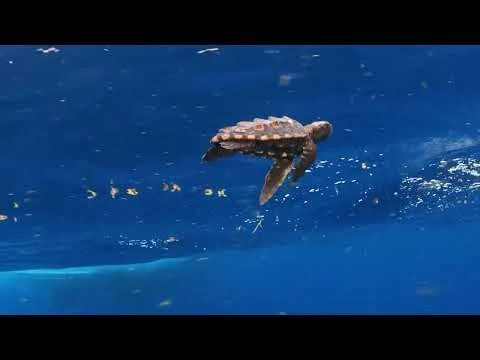
Nearly 70 years ago, famed sea turtle biologist Dr. Archie Carr coined the term the “lost years” to describe the poorly understood period of time after hatchling sea turtles depart their natal beaches until they return to nearshore waters or nesting beaches as adults.
In 2020, Upwell began the Lost Years’ Initiative (LYI), an international, collaborative effort to explore the promise of new tag miniaturization technologies and their potential to reveal the “lost years” period of sea turtle life history. Since then, we have tagged and released over 350 juvenile turtles in partnership with a growing network of collaborators around the world.
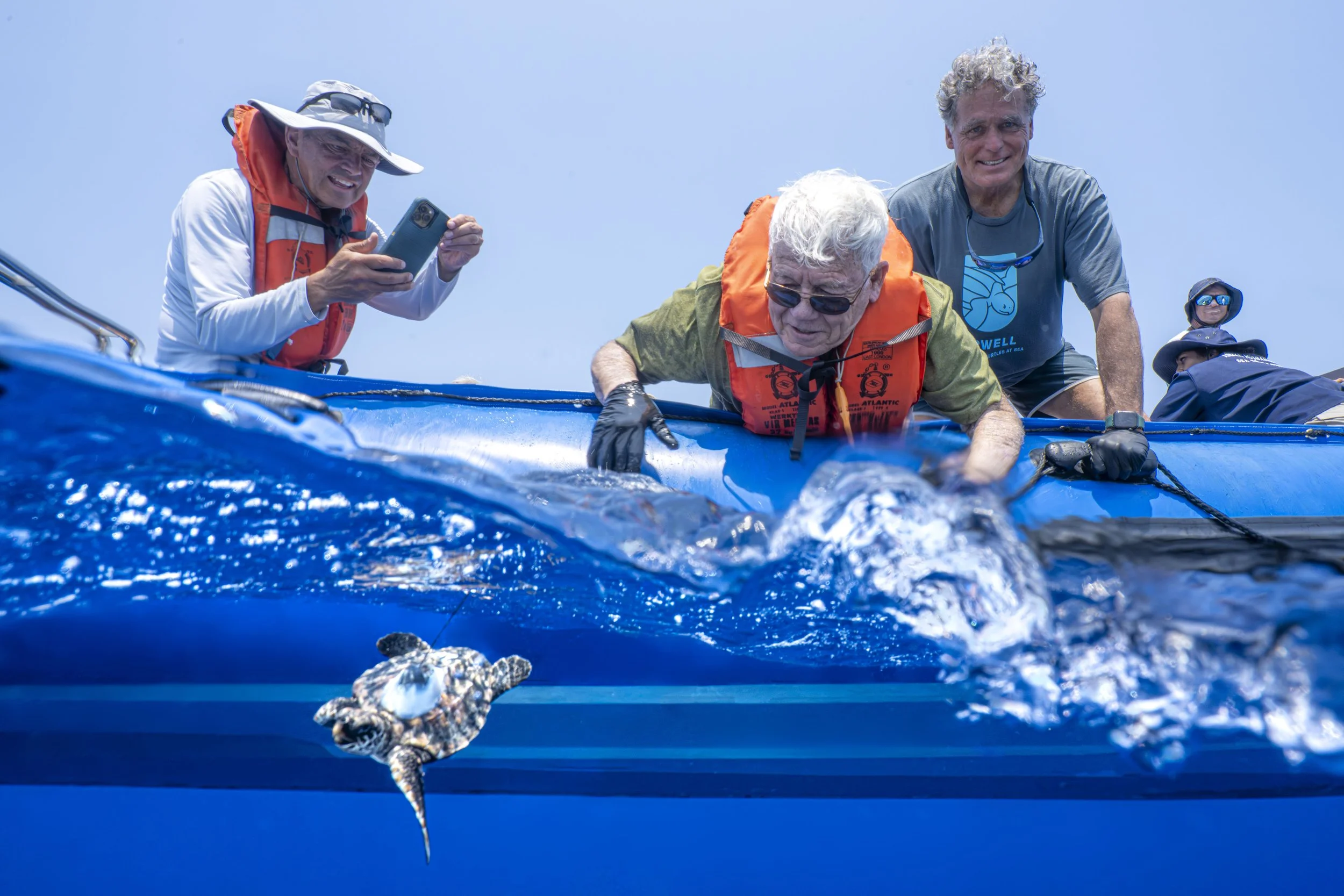
With these important pieces of the “lost years” puzzle, we can design conservation measures to protect juvenile sea turtles during this poorly understood life history stage.

Over 350 juvenile turtles tracked since 2020.
Scroll down to see our list of partners around the world who are part of the Lost Years Initiative.
Putting the data into action
The Sea Turtle Active Movement Model (STAMM) is a numerical model which aims to simulate the trajectories of sea turtle hatchlings and juveniles across vast expanses of ocean.
Upwell is using the data collected by the miniature tags to refine the STAMM model to examine overlap with areas of high-risk from human impacts (e.g., fishing, vessel traffic and plastic aggregation) and identify when and where protections are needed.
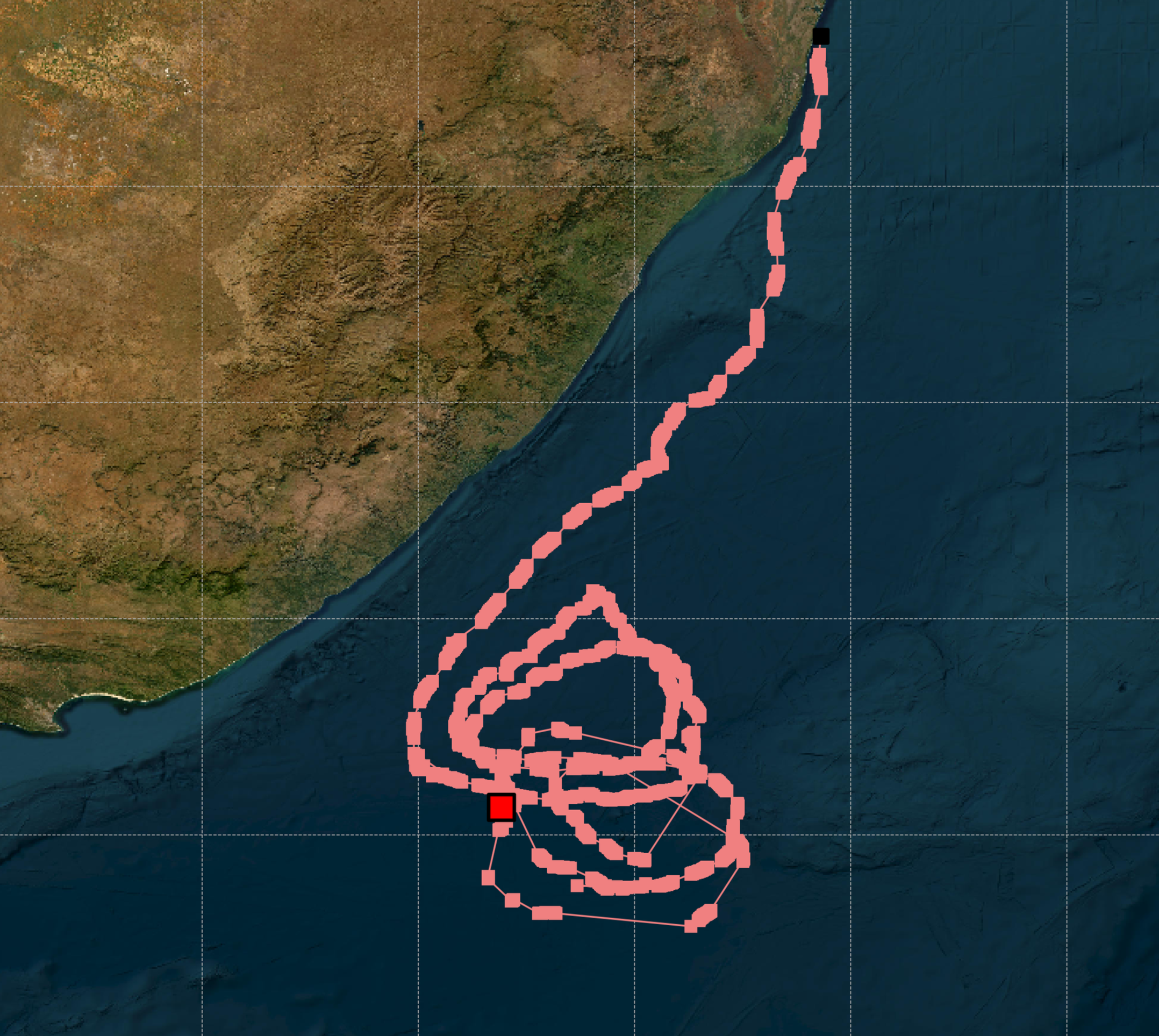
The satellite track of Valentino, a juvenile loggerhead released off the East Coast of South Africa in partnership with the Two Oceans Aquarium Foundation.
Lost Years Initiative Collaborators







Related Publications

-
DescriptiCandela, T., Gaspar, P., Bailey, H., Wyneken, J., Turla, E., Noble-Trull, T., Nel, R., Kanghae, H., Suraswadi, P., Upanoi, T., Okuyama, J., Kawazu, I., Maeda, K., Mizuochi, K., Ogino, N., Vandeperre, F., Sousa, A. M., Herguedas, A., De Boer, M., Dell’Amico, F., Nunes, A., Neves, J., Gaspar, I., & Shillinger, G. L. (2026). Pioneering insights into the diving behavior of early-stage sea turtles revealed by novel marine miniaturized satellite tags. Scientific Reports. https://doi.org/10.1038/s41598-026-47239-6
-
Understanding how sea turtles interact with their environment during their early oceanic life stages—the time often termed “Lost Years”—is critical for informing conservation strategies. This study provides the most comprehensive analysis to date of vertical diving behavior in early life stages of two sea turtles species: leatherback (Dermochelys coriacea) and loggerhead (Caretta caretta) sea turtles. Using over 2400 daily records from 71 individuals equipped with miniaturized satellite tags across multiple ocean basins, analyses revealed a clear ontogenetic progression. As a turtle’s size increases, they dive deeper and longer, with increasingly structured use of the water column. Some individuals also exhibited brief acclimatization phases after release, gradually adopting deeper and more consistent diving patterns. Environmental analyses highlight qualitative associations between vertical behavior in larger turtles and the structure of the water column, including thermal gradients and subsurface layers potentially associated with prey availability. These findings offer novel insights into the development, acclimatization, and ecological drivers of vertical movement in “Lost Years” sea turtles, helping to bridge knowledge gaps during this critical life stage.

-
Candela, T., Wyneken, J., Leijen, P., Gaspar, P., Vandeperre, F., Norton, T., Mustin, W., Temple-Boyer, J., Turla, E., Barbour, N., Williamson, S., Guedes, R., Graça, G., Beltran, I., Batalha, J., Herguedas, A., Zailo, D., Baboolal, V., Casella, F., & Shillinger, G. L. (2024). Novel microsatellite tags hold promise for illuminating the lost years in four sea turtle species. MDPI. https://doi.org/10.3390/ani14060903
-
After hatching, sea turtles leave the nest and disperse into the ocean. Many years later, they return to their natal coastlines. The period between their leaving and their returning to natal areas, known as the “Lost Years”, is poorly understood. Satellite tracking studies aimed at studying the “Lost Years” are challenging due to the small size and prolonged dispersal phases of young individuals. Here, we summarize preliminary findings about the performance of prototype microsatellite tags deployed over a three-year period on 160 neonate to small juvenile sea turtles from four species released in the North Atlantic Ocean. We provide an overview of results analyzing tag performance with metrics to investigate transmission characteristics and causes of tag failure. Our results reveal that, despite certain unfavorable transmission features, overall tag performance was satisfactory. However, most track durations were shorter than those observed on individuals of similar size in other studies and did not allow for detailed analyses of trajectories and turtle behavior. Our study further suggests that tracking durations are correlated with the targeted species, highlighting a lack of robustness against some neritic behaviors. Unprecedented diving data obtained for neonate sea turtles in this study suggest that the vertical behaviors of early juveniles are already too strenuous for these miniaturized tags. Our findings will help to inform the biologging research community, showcasing recent technological advances for the species and life stages within our study.
Check out the latest news from the Initiative:
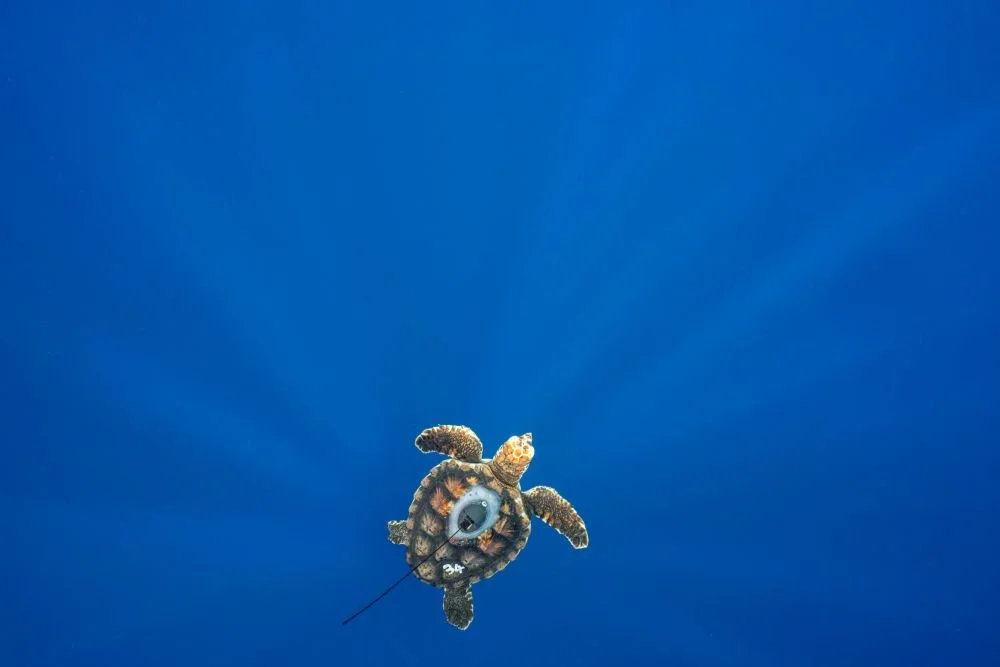


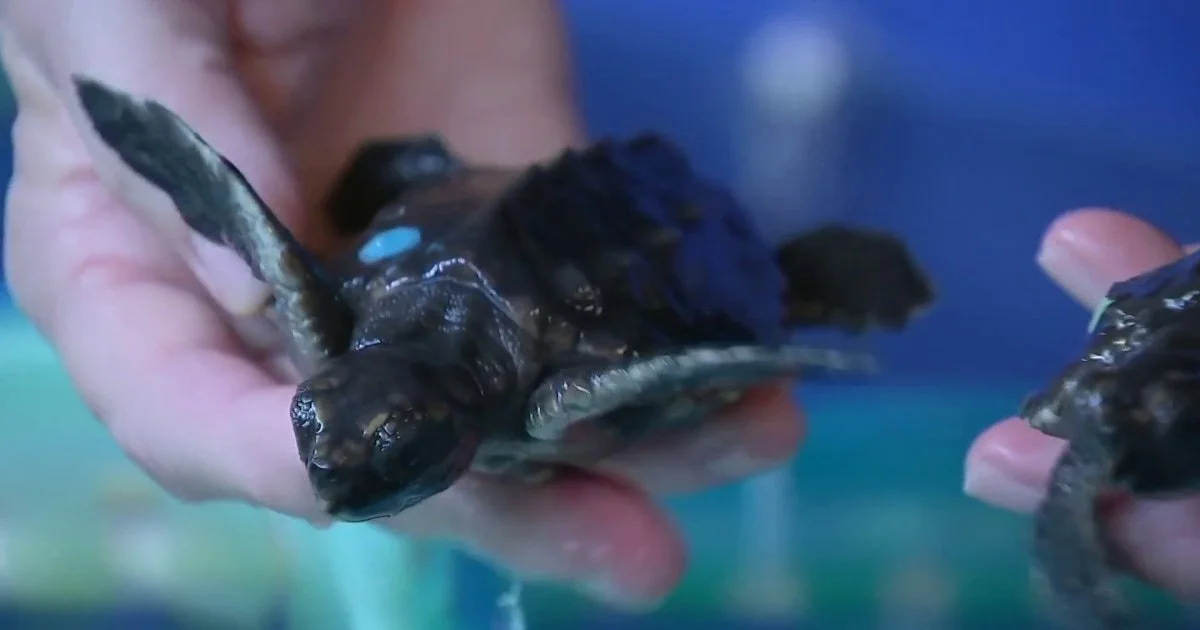
Until recently, researchers were unable to conduct satellite tracking studies on juvenile turtles due to their small body sizes and immediate dispersal into the ocean, leaving this period of their lives enigmatic and often referred to as the “lost years.” A new study, “Pioneering insights into the diving behavior of early-stage sea turtles revealed by novel marine miniaturized satellite tags,” published in Scientific Reports in April 2026, provides the most comprehensive analysis to date of vertical diving behavior in early life stages of leatherback and loggerhead sea turtles.