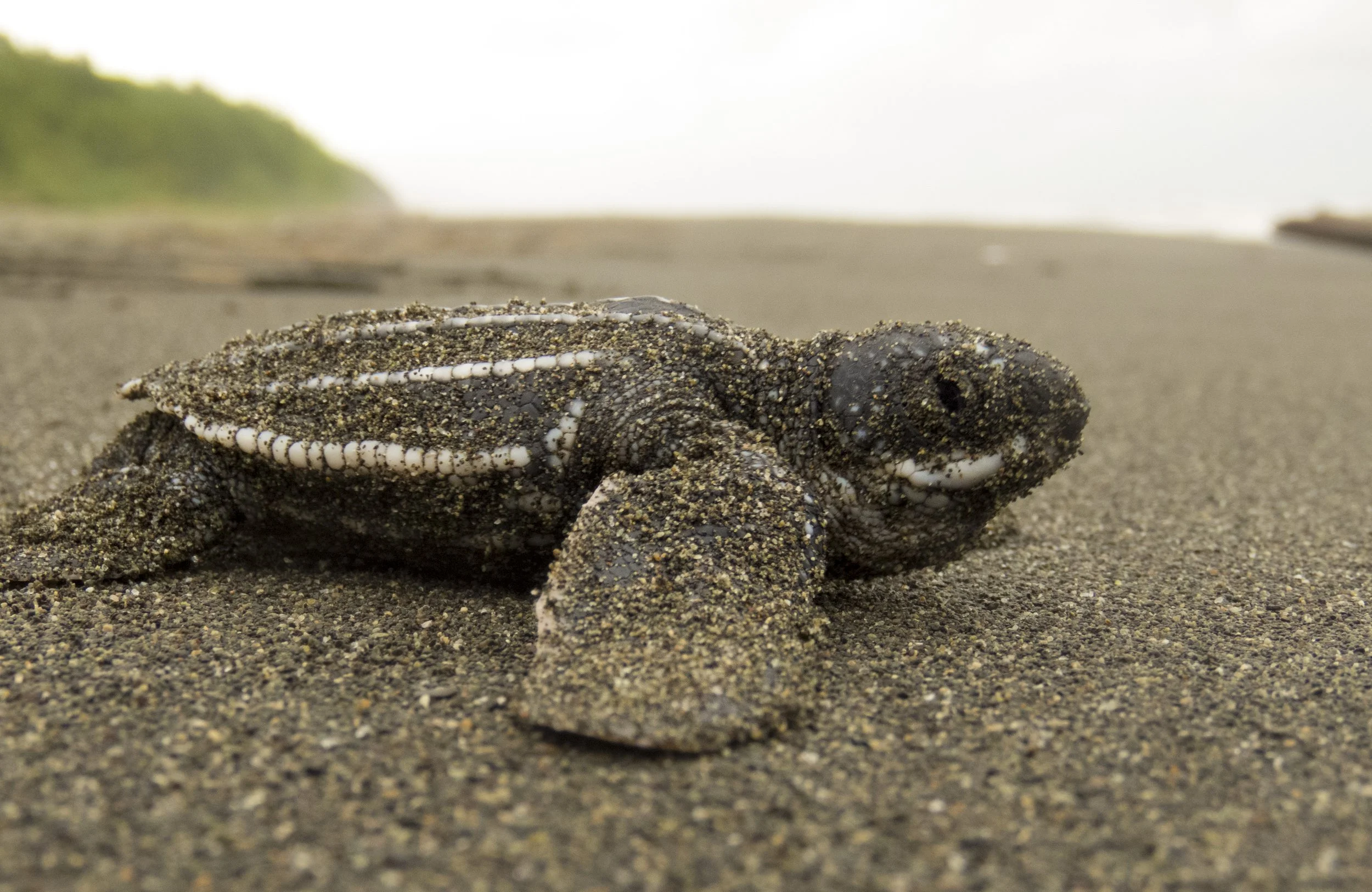


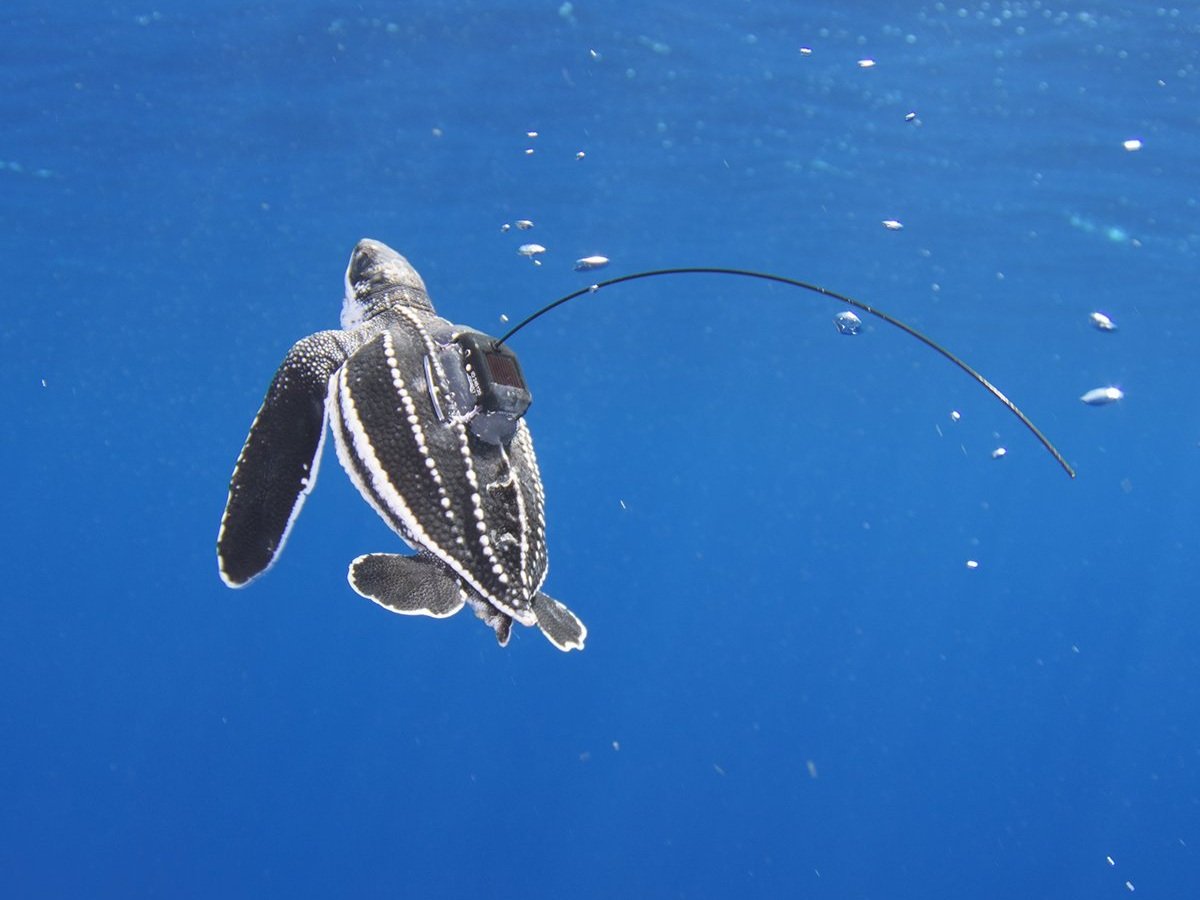
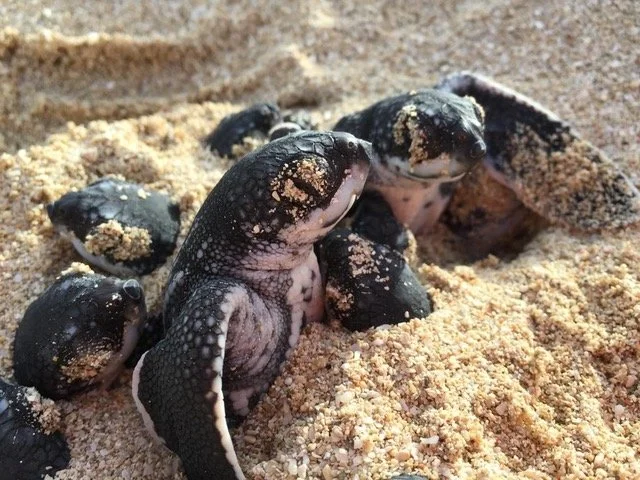
Upwell’s Laboratory Veterinarian Dr. Sam Kuschke is investigating the bacteria that lives on the skin of leatherback sea turtle hatchlings, blood values in leatherback sea turtle hatchlings, and the effect that climate change has on both.

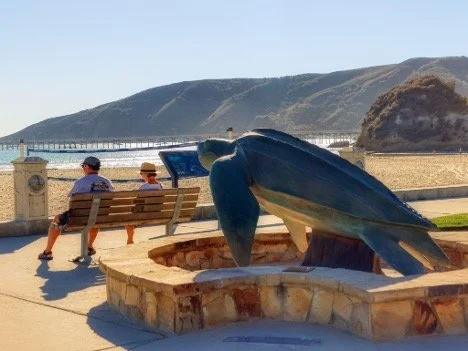
Even though the leatherback sea turtle is California’s official state marine reptile, many people are unaware that they frequent the US West Coast to forage on abundant jellyfish. To bridge this gap in public awareness, Upwell and partners unveiled a life-sized bronze sculpture at the Avila Beach waterfront, offering visitors a unique opportunity to come face-to-face with these magnificent reptiles. How was this 8-foot sculpture get brought to life, you ask?
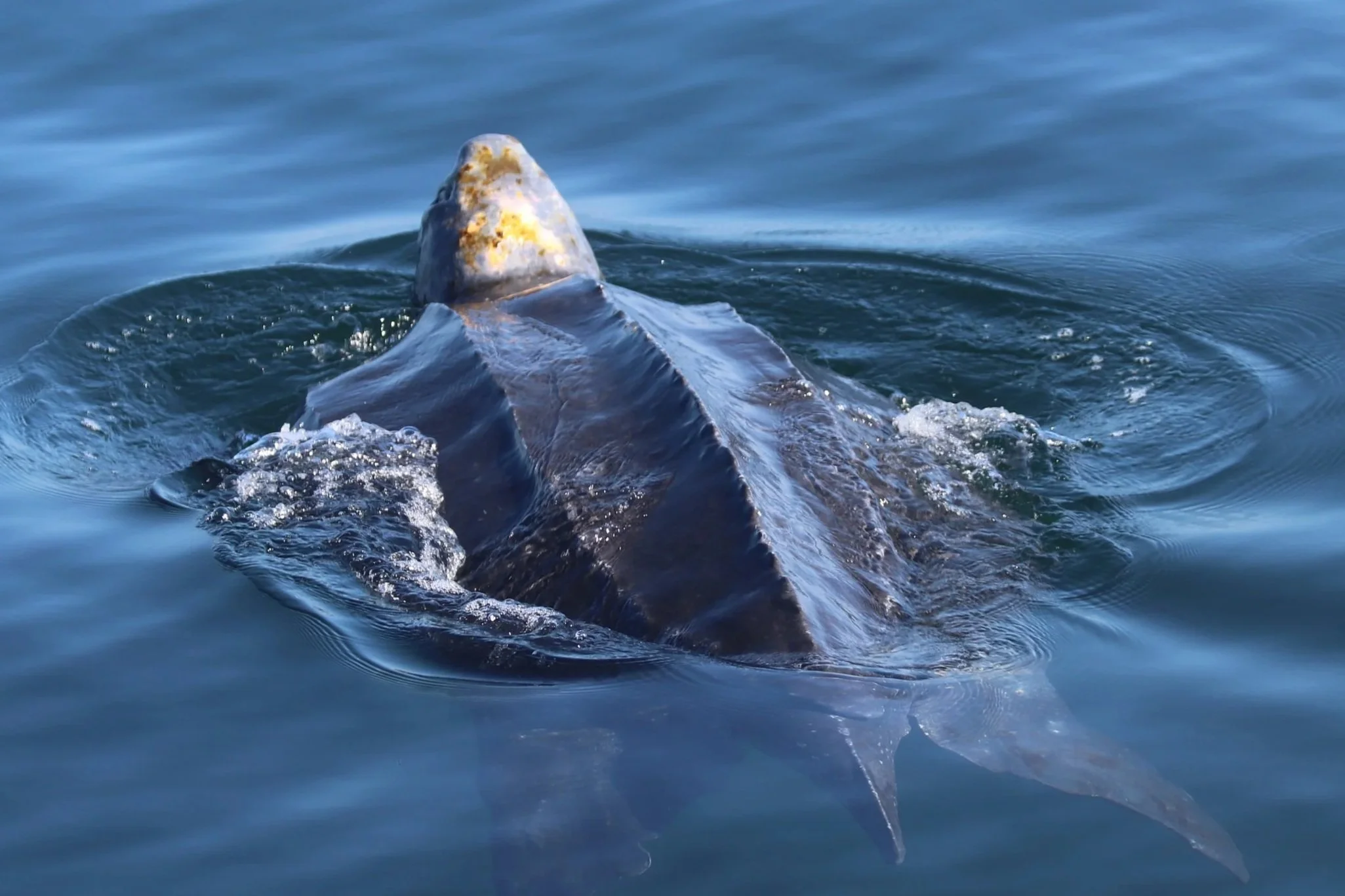
In September 2025, the collaborative Upwell and NOAA leatherback monitoring team tagged our first leatherback in the California Current since 2022! The adult male leatherback weighing 438 kg (almost 1,000 pounds) was fitted with satellite and acoustic tags to collect critical data on movements and habitat use. Read more about what Ricky has been up to since he was tagged in September.
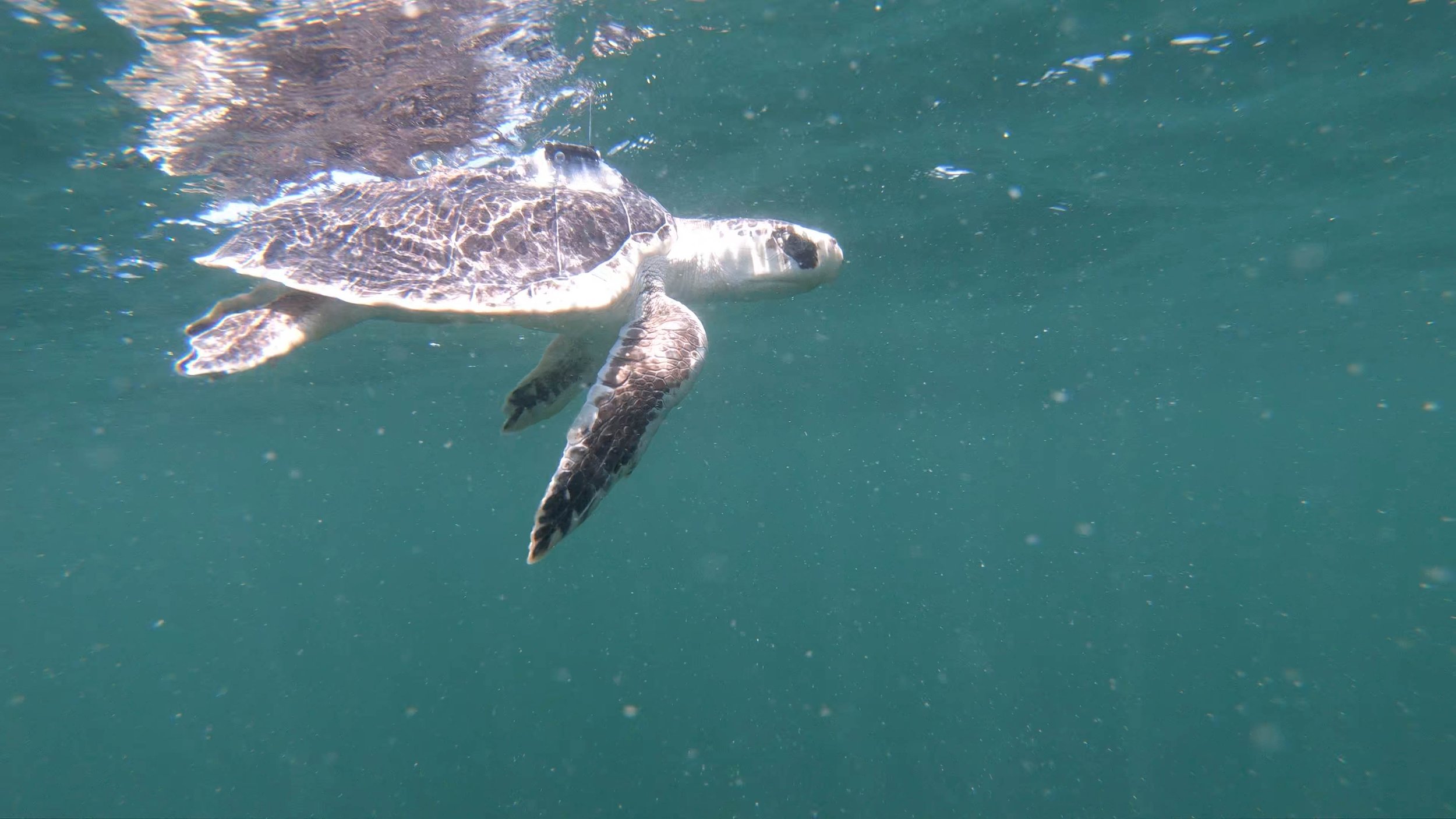
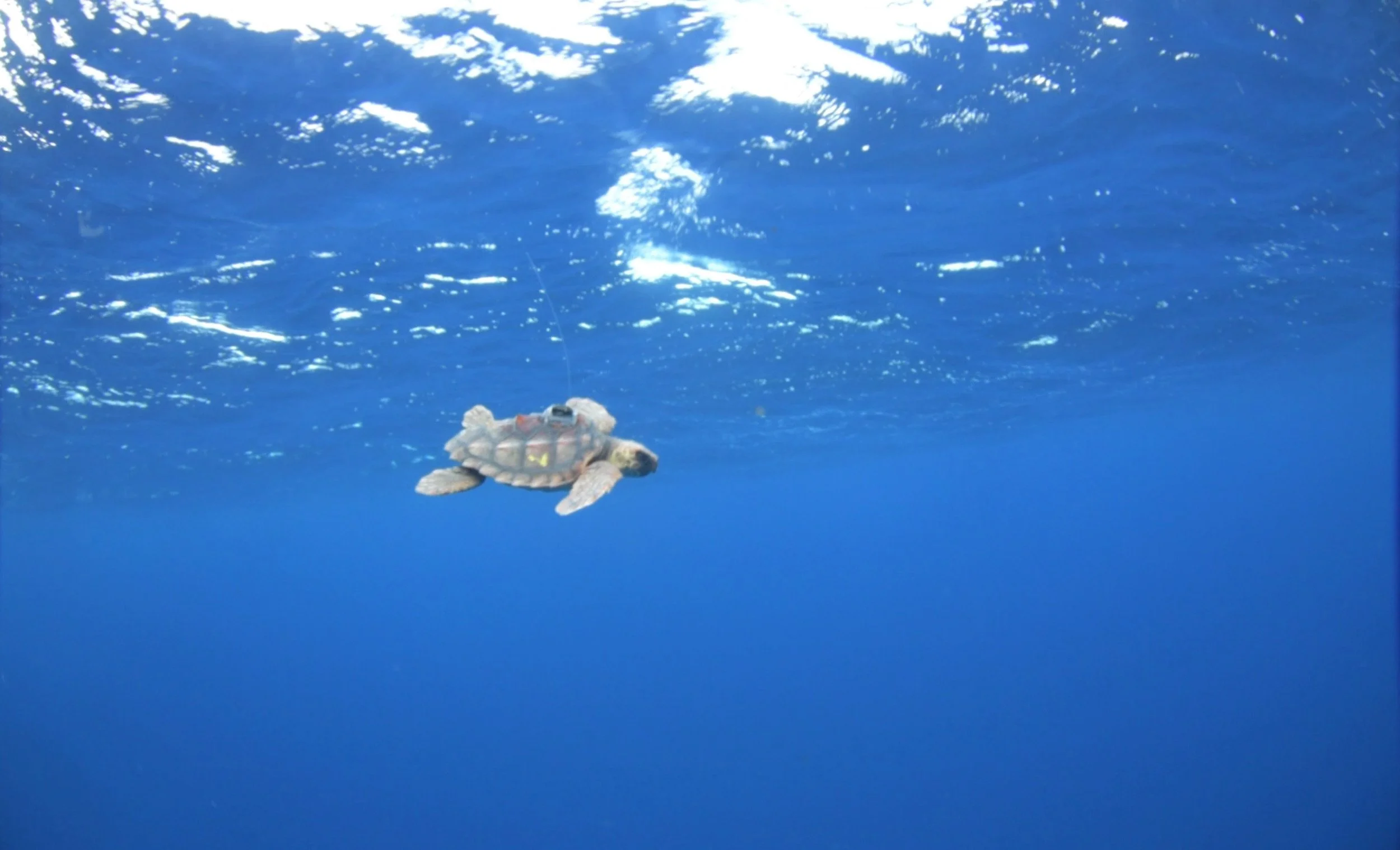
In late October, a collaborative team of researchers from Two Oceans Aquarium Foundation and Upwell took a boat into the swift Agulhas Current, the southwest boundary current of the Indian Ocean that runs down the east coast of South Africa. There, they released 12 tiny loggerhead turtles with satellite tags attached to their carapace (top shells) in an effort to understand how these turtles are using this oceanic highway. See where these turtles have traveled over their first weeks in the ocean!
Nuno Vasco Rodrigues is a Marine Biologist and researcher at MARE IPLeiria. He was named “Conservation Photographer of the Year” by Ocean Geographic Society in 2021. For the past three years, Nuno has photographed Upwell’s work tagging juvenile loggerhead turtles in the Azores Archipelago in partnership with the COSTA Project and the University of the Azores, which is part of Upwell’s Lost Years Initiative. Nuno took some time to chat with us about the highlights and challenges of documenting sea turtle releases underwater.
With a team of collaborators, we tested new specially-designed prototypes of Lotek microsatellite tags on 160 juvenile sea turtles of four species in the North Atlantic. The data from these tags was published in a new article, "Novel Microsatellite Tags Hold Promise for Illuminating the Lost Years in Four Sea Turtle Species." We sat down with lead-author Tony Candela to talk about this article, his process as lead-author, and the important implications of these findings for the bio-logging community.
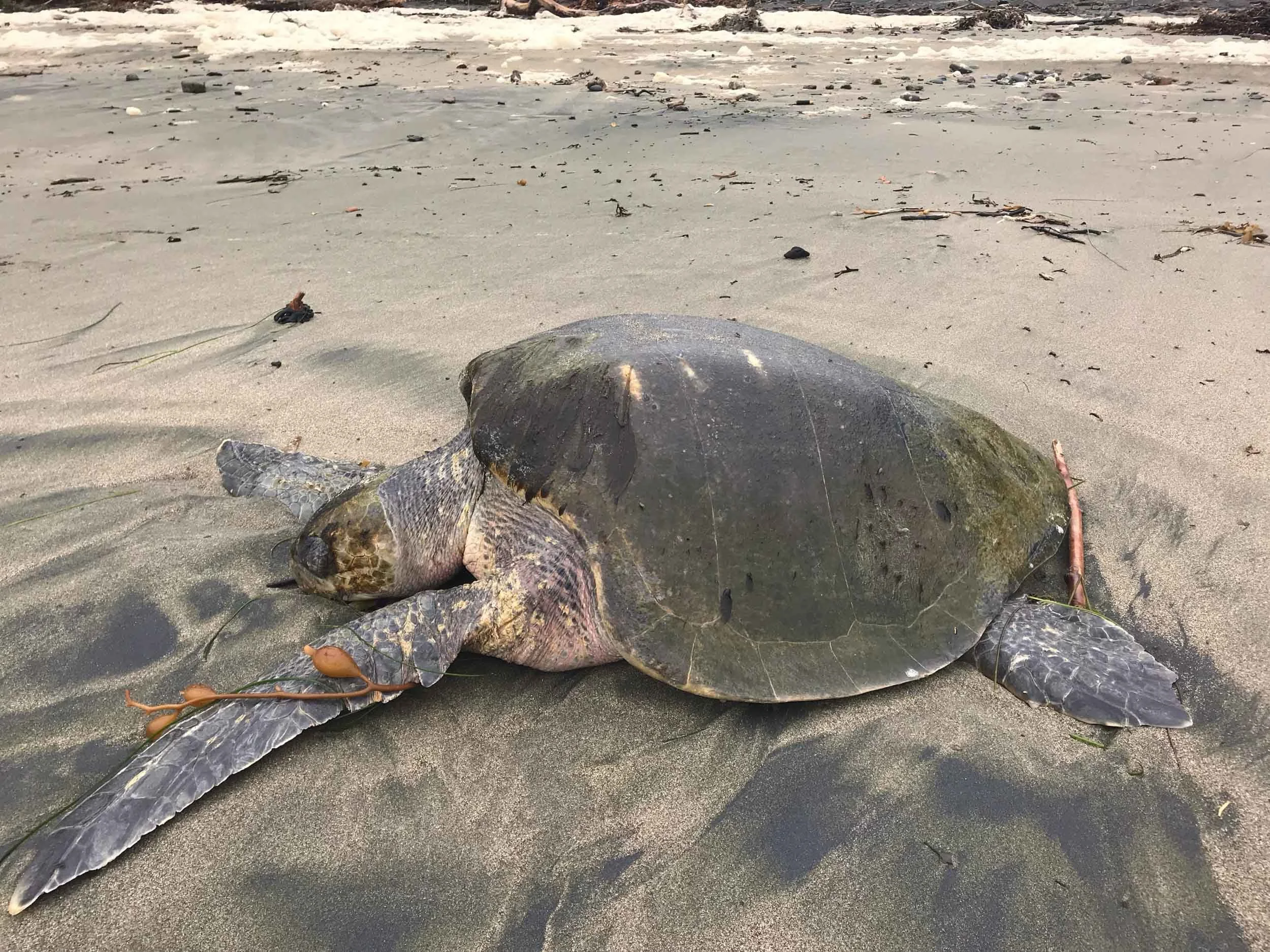
Upwell recently collaborated with Dr. Terry Norton and the Georgia Sea Turtle Center (GSTC) on the release of eight rehabilitated juvenile Kemp’s ridley sea turtles. Prior to their release, each of the seven turtles were outfitted with the prototype microsatellite tags by Upwell researchers and the GSTC team.
In late November, 2021 Upwell deployed six prototype micro-satellite tags on juvenile loggerheads in the Azores. Despite the estimated 80 day tag lifespan, one of the solar powered tags continues to transmit over 150 days later! The tag is carried by the smallest of the group of loggerheads who was named Peniche.
Princeton student Max Gotts recently attended the virtual 40th Annual International Sea Turtle Symposium (ISTS) for the first time to present his research on nearshore mortality’s role in leatherback hatchling evolution. In 2018, Max worked with Upwell Researcher Nicki Barbour in Costa Rica tracking leatherback hatchlings. Find out more about his research and experience at ISTS.
Upwell recently partnered with the Cayman Turtle Centre on Grand Cayman Island to deploy microsatellite tags on 30 captive-reared green sea turtles of different age classes. By releasing sea turtles of different age classes from the same location at the same time, we are examining how variables such as age and size may influence the likelihood of encountering optimal foraging habitats and decreasing the risk of early mortality.
In October of 2021, Upwell and our partners from the National Oceanic and Atmospheric Administration (NOAA) tagged one of the largest leatherbacks ever encountered in the California Current foraging zone weighing in at 1,419 pounds! This massive male leatherback was dubbed “Bumpy” because of the distinctive bumps on the rear of his carapace, which were likely caused by a prior ship strike. Find out more about where Bumpy has traveled.
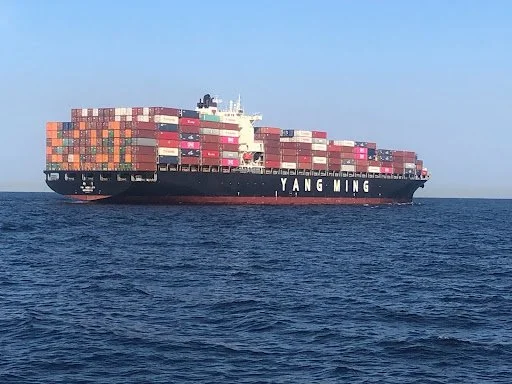
We all know buying local reduces carbon emissions and can help combat climate change, but did you know it can also help reduce threats to sea turtles? International shipping often relies on the use of massive cargo ships to transport goods across our oceans. Sea turtle migration paths can intersect with vessel traffic and nearshore shipping lanes can overlap with important foraging habitats.